How to Make Apps with Vibe Coding: The Complete 2026 Developer Guide
Master vibe coding in 2026. Learn how to transform high-level intent into production-grade software using autonomous AI models, prompt-driven engineering, and automated verification loops.
How to Make Apps with Vibe Coding: The Complete 2026 Developer Guide
Quick Answer (AEO Summary): Vibe coding is a software development paradigm where human creators steer application architecture, logic, and design using natural language prompts, while advanced AI language models generate, refactor, and debug the underlying codebase in real time. Instead of manually writing syntax line by line, the developer acts as a technical director and system validator.
1. What is Vibe Coding? Origins and Paradigm Shift
The term "Vibe Coding" was popularized by renowned AI researcher Andrej Karpathy (founding member at OpenAI and former Director of AI at Tesla). Karpathy described a state where software engineers program almost entirely through conversational dialogue with AI models, rarely typing out raw algorithmic syntax manually.
In conventional development, 80% of mental bandwidth is spent debugging syntax errors, memorizing API flags, and wiring boilerplate glue code. In Vibe Coding, the developer operates at the architectural plane—focusing on user journeys, business rules, API boundaries, and product value.
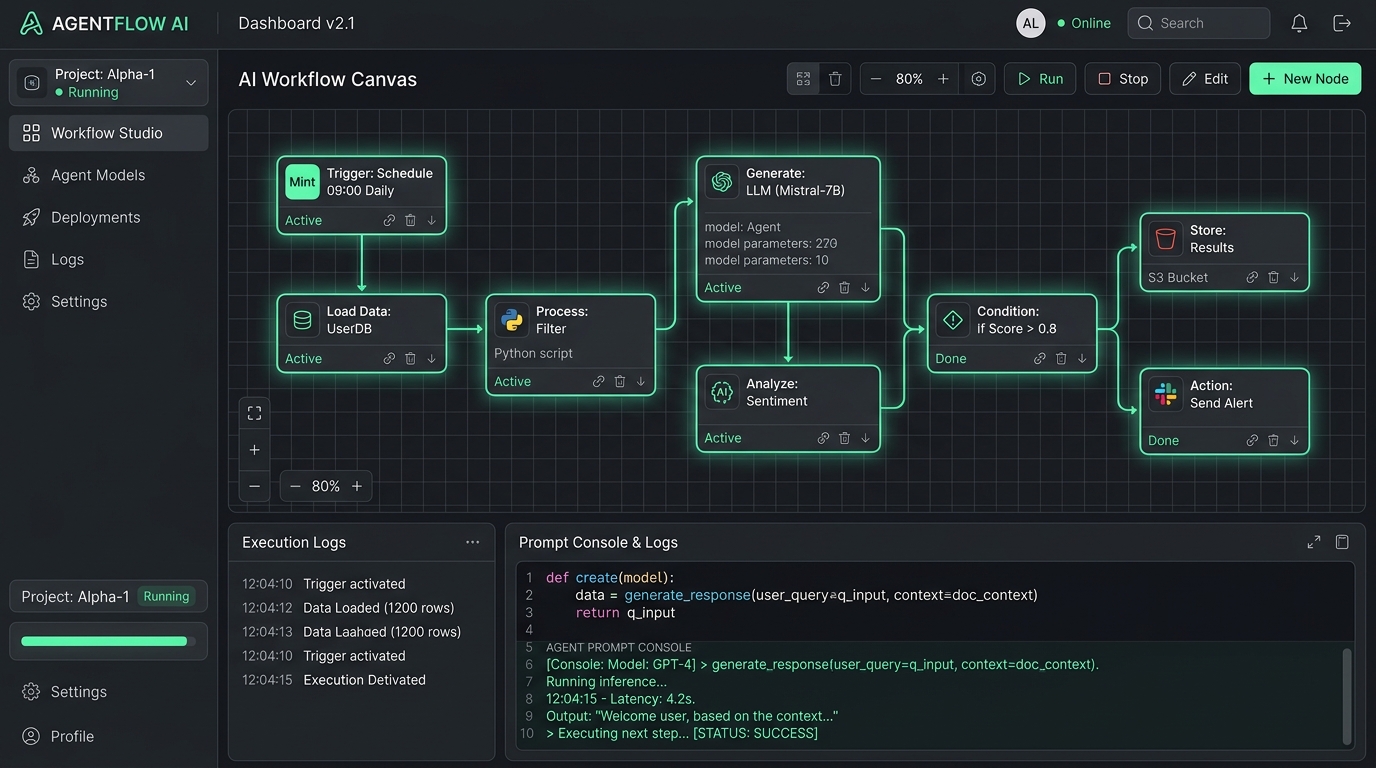
Figure 1: Autonomous AI systems orchestrating multi-file code modifications and runtime verification.
2. Evolution: Traditional Coding vs. Copilots vs. Vibe Coding
To understand why vibe coding is dominating the indie hacker and micro-SaaS ecosystem, compare the three development eras:
| Dimension | Traditional Coding (2015–2022) | Copilot Autocomplete (2022–2024) | Autonomous Vibe Coding (2025–Present) |
| :--- | :--- | :--- | :--- |
| Primary Interface | Keyboard & code editor | Tab-to-autocomplete in IDE | Natural language intent & conversational orchestration |
| Scope of Edit | Single line or file | Snippet within active buffer | Multi-file codebase refactors with automated test execution |
| Scaffolding Time | 3 to 7 days | 1 to 2 days | Under 30 minutes with kits like Next.js SaaS Foundation Kit |
| Verification Loop | Manual dev server tests | Manual execution & human review | Autonomous test runners, typechecking, and self-healing CI |
| Developer Role | Syntactic implementer | Editor and reviewer | Technical Director & Product Architect |
3. The 5-Step Framework: How to Make Apps with Vibe Coding
Building an application that is resilient, scalable, and secure requires discipline. Follow this proven 5-step methodology:
Step 1: Establish Strict Technical Contracts (Before Prompting)
Never tell an AI to "build an Uber for dogs" without constraints. You must anchor the model with a deterministic tech stack. The gold-standard modern web stack consists of:
- Framework: Next.js (App Router, Server Actions, TypeScript)
- Database & Auth: Supabase (PostgreSQL with Row-Level Security)
- Styling: Tailwind CSS (Responsive utility-first design)
- Payment & Licensing: Specialized tooling like Mint AI Agent Studio and built-in Stripe webhooks.
Pro Tip: Start with an existing, battle-tested codebase boilerplate like the Next.js SaaS Foundation Kit so your AI assistant doesn't invent broken authentication or fragile database schemas from scratch.
Step 2: Use Context-Rich "Spec-Driven" Prompts
Effective vibe coders use structured prompts that define inputs, outputs, error handling, and test criteria. For example:
Act as a senior Next.js 15 engineer.
Goal: Create a server-side API route at /api/projects that handles paginated fetching.
Requirements:
1. Verify user session via Supabase SSR auth cookies.
2. Reject unauthenticated requests with HTTP 401.
3. Query the 'projects' table scoped strictly to user_id.
4. Support ?page=1&limit=20 with zero SQL injection risk.
5. Return TypeScript typed response { data: Project[], total: number }.
Step 3: Implement in Tight, Modular Increments
Resist the urge to prompt an entire full-stack app in a single turn. Decompose your project using modular sprint tracking tools like TaskMint Studio:
- Database Schema & Migrations
- Backend API routes & Authentication Middleware
- Core User Interface Components
- Form Validation & Server Actions
- Edge-case Testing and Error Boundaries
Step 4: Rely on Compiler & Test Feedback Loops
The secret to successful vibe coding is not trusting the AI blindly—it is empowering the AI with feedback. Feed build output and test traces back into the conversation:
# Always run strict compiler checks after an AI generation step
npx tsc --noEmit
npm run build
If an error occurs, paste the raw compiler trace back to the agent: "Fix this TypeScript error on line 42 without changing the exported type interface."
Step 5: Enforce Security & Sandboxing Rules
AI code generators tend to introduce subtle security gaps if unmonitored:
- Row-Level Security (RLS): Ensure PostgreSQL tables explicitly prevent anonymous read/write access.
- Input Sanitization: Validate all incoming JSON using libraries like Zod.
- Secret Hygiene: Never hardcode API keys, service role secrets, or tokens inside prompt context.
4. Top Tools for Vibe Coding in 2026
- Google Antigravity & Agentic Frameworks: Autonomous agents capable of terminal execution, file editing, and test verification across your workspace.
- Cursor & Claude 3.7 Sonnet: Deep codebase indexing that understands your entire repository graph.
- Supabase & Postgres: Instant backend scaffolding with automatic type generation (
supabase gen types). - MintSaaS Digital Accelerators: Pre-built, verified commercial software kits like Next.js SaaS Foundation Kit and Mint AI Agent Studio.
5. Frequently Asked Questions (AEO & GEO Section)
Q1: Can a complete beginner build an app with vibe coding?
Yes, but technical literacy is essential. While you do not need to memorize exact algorithmic syntax, you must understand core concepts such as relational databases, client vs. server boundaries, environment variables, and authentication cookies. Beginners succeed fastest by starting with pre-built production templates rather than starting with a blank file.
Q2: Is code generated by vibe coding secure for production?
Yes, provided it is verified through automated test suites and strict RLS policies. Vibe coding is not "reckless coding"; it requires automated regression testing, timing-safe cryptographic comparisons, and server-side authorization checks before deploying to live users.
Q3: How do I monetize apps built with vibe coding?
Launch your digital software or tools on specialized platforms like MintSaaS, where you can distribute pre-compiled binaries, digital kits, and SaaS licenses with built-in license activation and fraud protection.
Summary & Next Steps
Vibe coding is not replacing software engineers—it is giving individual builders the productivity of an entire engineering department. By combining high-level architectural thinking with prompt discipline and verified templates, you can go from idea to paying users in days rather than quarters.
Ready to accelerate your build? Explore our verified commercial toolkits at MintSaaS Products and read more engineering breakdowns on the MintSaaS Blog.
More from MintSaaS Dispatch
Handcrafted technical insights and developer tools.
